
Queues and Waiting
Why Do Customers Leave a Queue?

Across 1,673,247 emergency visits in New South Wales, how busy the department already was when someone arrived predicted whether they stayed. People arriving when the department was in its busiest fifth were “3.5 times more likely not to wait”. That is against those arriving at the quietest (Aust Health Rev, 2025). That is a condition…
Read MoreDo Long Wait Times Cause Bad Reviews?

A bike repair shop owner scrolls through last month’s reviews on a phone during a quiet Tuesday morning, an illustrative scene rather than a real venue. One review carries a single star. It mentions waiting three weeks for a wheel to be trued. The easy conclusion: fix the wait, fix the rating. Large studies of…
Read MoreHow to Reduce Perceived Wait Time
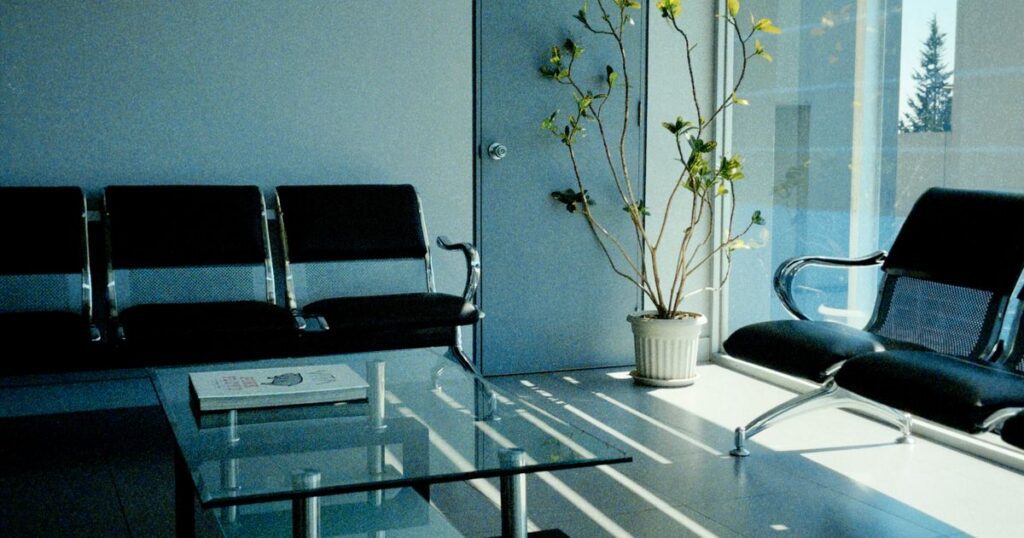
Two things have real evidence behind them. Changing what the waiting area contains, and explaining the wait. Both were tested recently, in hospitals. One on a few hundred people, the other on 23. Neither was tested on how long the wait felt. That gap runs through nearly all of the advice reviewed for this article.…
Read MoreHow to Measure Customer Wait Times
Measuring customer wait times starts with three decisions, and none involves equipment. Name the event that starts the clock. Name the event that stops it. Decide who is inside the count. Only then does the instrument matter. Get one of the three wrong and you still get a number, just not one anybody can check.…
Read MoreWhy Does Queue Jumping Make People So Angry?
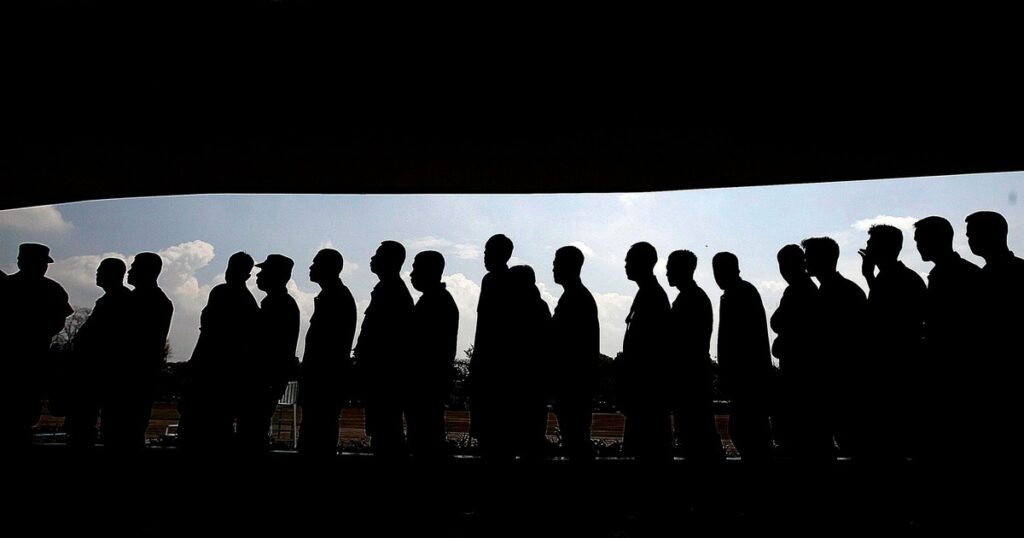
An emergency department had a stated priority rule for who gets seen next. Patients were still overtaken in more than 1 in 4 ED visits, and the records show no reason why (JAMA Network Open, 2023). The same skip, done by a stranger in front of you at a counter, gets a different name entirely.…
Read MoreWhat Is Occupied vs Unoccupied Waiting Time?

An illustrative scene. A tyre-fitting bay on a Saturday morning: six chairs, a coffee machine, and a wall-mounted screen playing the news with the sound off. Nobody looks up at it. It’s there because a wait with something in it is supposed to feel shorter than a wait with nothing in it. That idea has…
Read MoreSingle Queue or Multiple Lines: Which Is Faster?
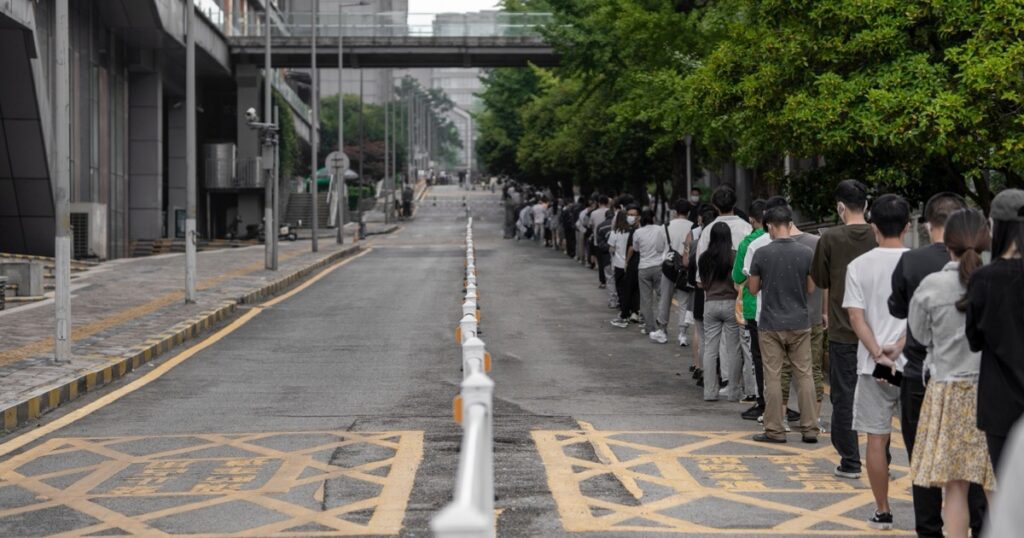
Picture a counter with two service points. Before opening, someone has to settle the layout: one queue feeding both tills, or a separate queue at each. It gets decided once and then lived with for years. It’s easy to assume one of the two is simply faster. It isn’t. With the same two staff working…
Read MoreHow Long Will Customers Wait Before Leaving?
No published study measures how long a shop, café or salon customer waits before walking out. Leaving gets counted in hospitals and on phone lines, and almost nowhere else. So the honest answer has to be built from those places, and what they measure turns out not to be the same behaviour. Where leaving is…
Read MoreWhy Does Waiting Feel Longer Than It Is?
In a 2023 study at a Chinese eye clinic, how long people thought they had waited predicted how satisfied they were. How long they actually waited had no direct effect (P = .365, Medicine (Baltimore), 2023). Two clocks run in every waiting room, and only one of them reached the survey. That split is the…
Read More